


Noise protection technology
As a manufacturer of noise barriers, we are always one step ahead in terms of quality, flexibility and price. Noise barriers “Made in Germany”.
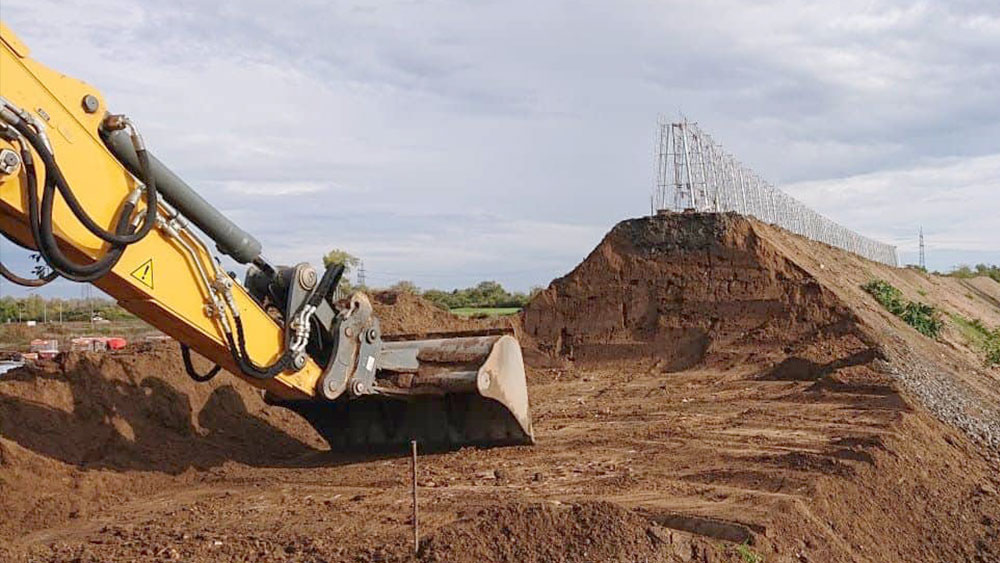
The structure: the inner workings of our ecological noise barriers
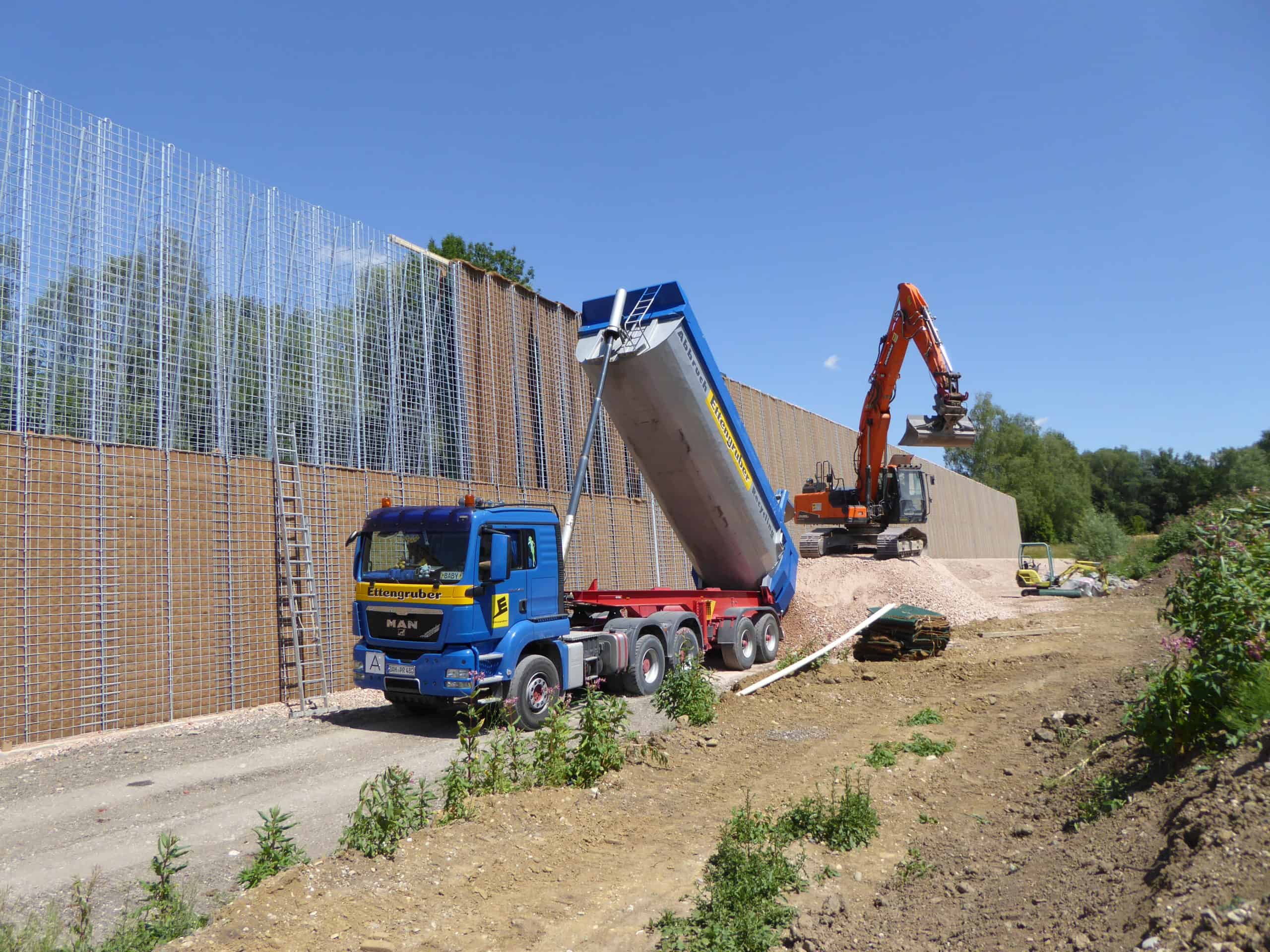

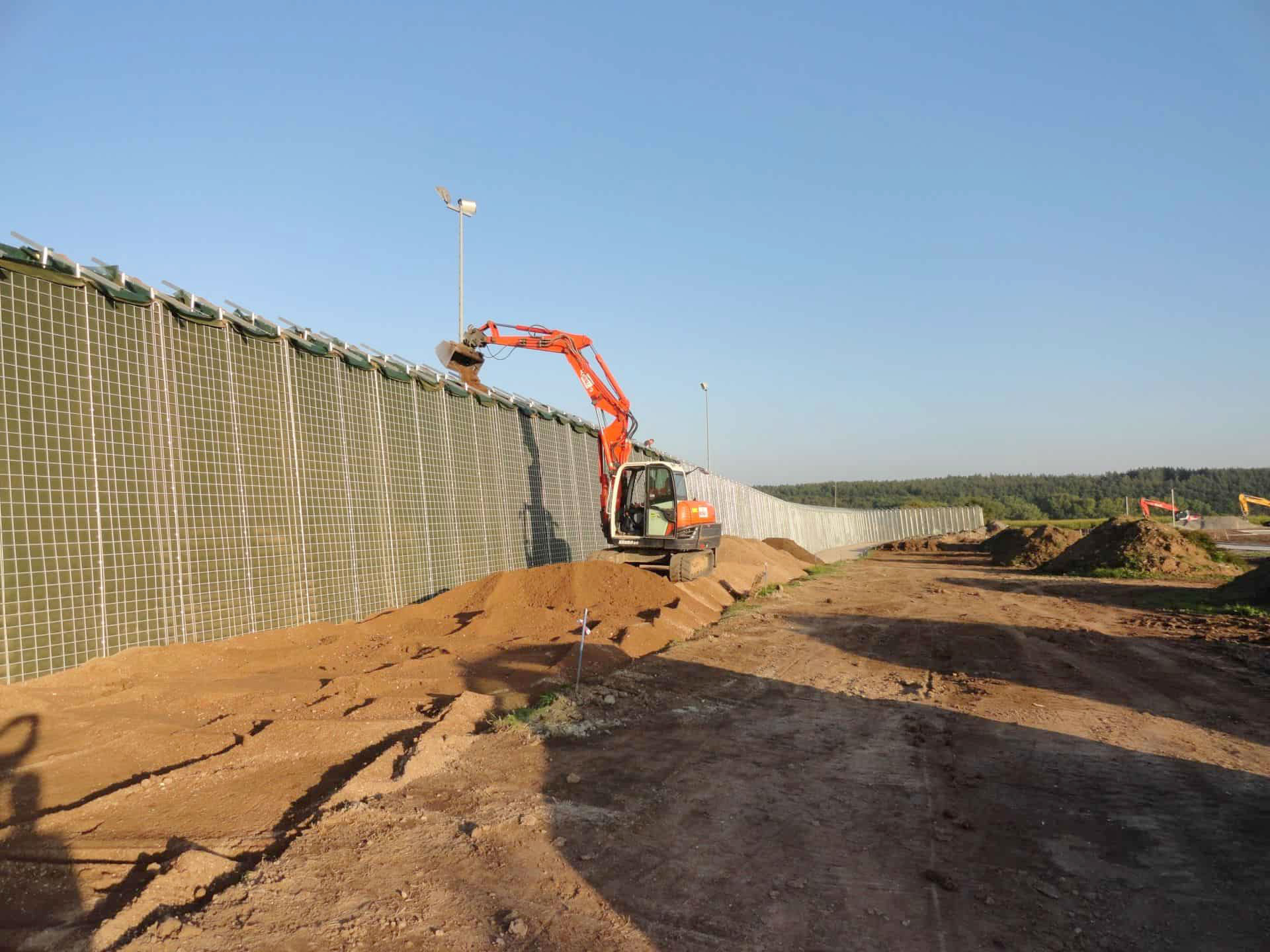
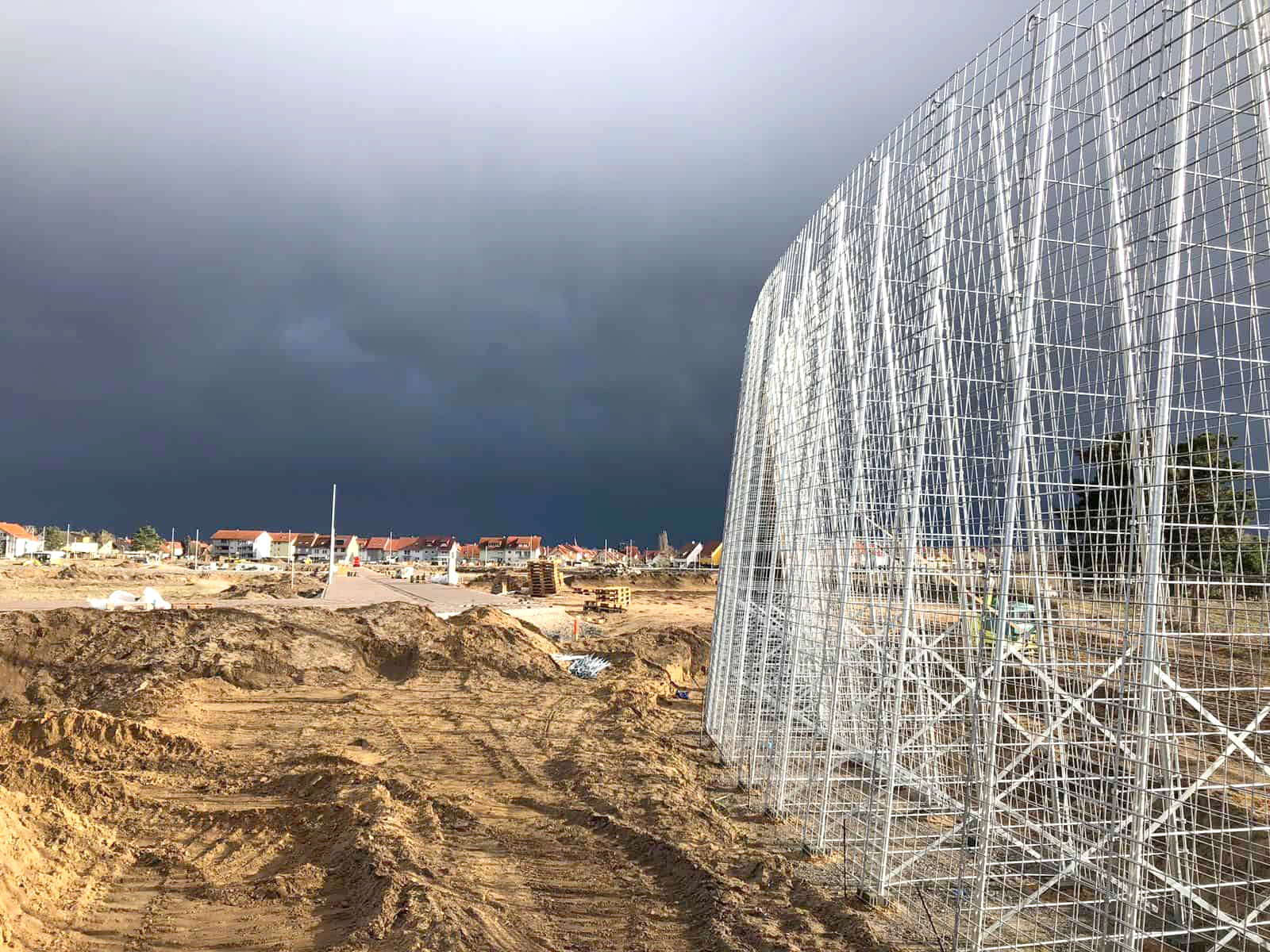

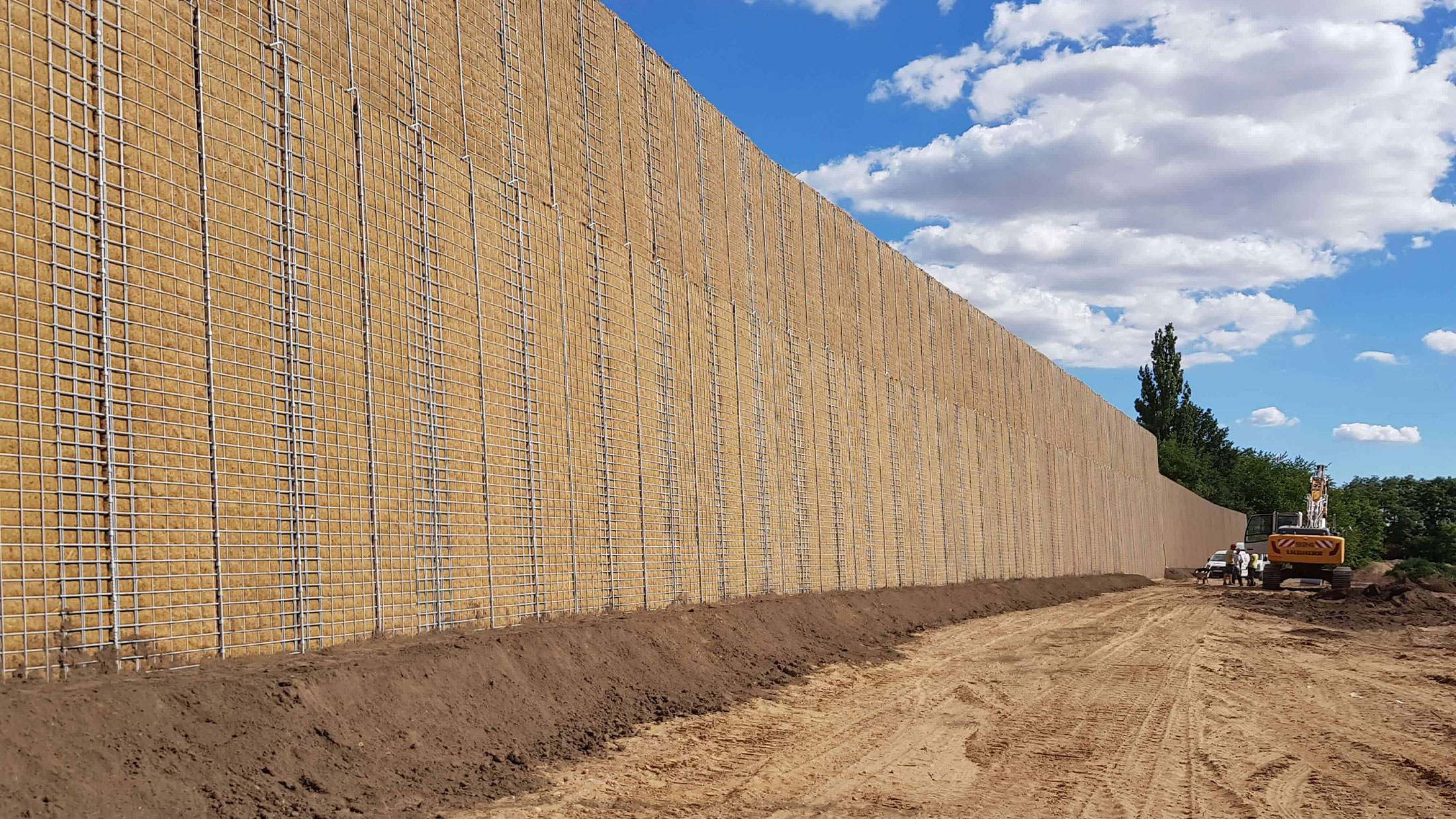
It's so green: the right planting
Thanks to our many years of experience in gardening and landscaping, we can provide our customers with the best possible advice when it comes to choosing the right plants for our noise barriers. Our aim is to use the plants specifically as a design element. We always use species that are native to the respective region. The selection depends on the location of the noise barrier in terms of light conditions and soil quality, but of course also on the personal taste of our customers.
Tested, certified and approved
Of course, RAU® noise barriers meet all static requirements. Our noise barriers hold a European patent, are CE-certified and comply with DIN EN 1793-2 and DIN EN 20354.
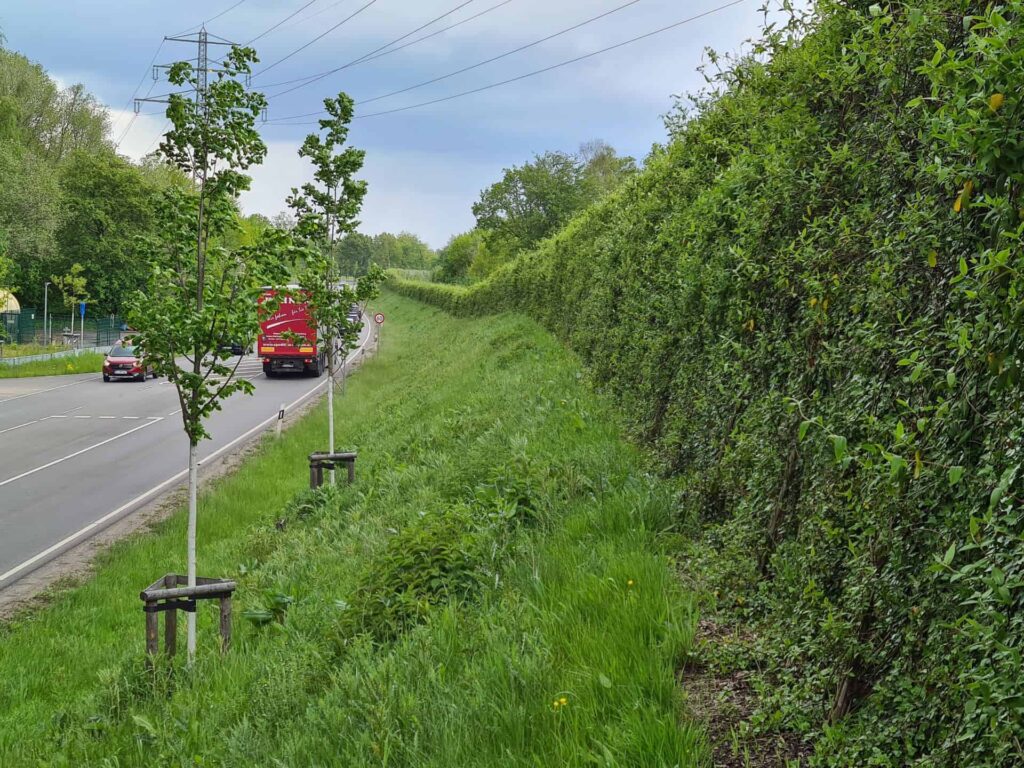
Highest sound insulation
For the classification of a noise barrier in group B3 with the highest sound insulation in accordance with DIN EN 1793-2, the ZTV-Lsw 06 (Additional Technical Contract Conditions and Guidelines for the Execution of Noise Barriers on Roads) require a single value of at least DLR>24dB for the sound insulation.
Noise barriers from RAU® reliably meet this requirement with a calculated single value for airborne sound insulation of DLR=68 dB.
This calculation is based on the RAU® climate wall is based on a minimum area-related mass of the wall of approx. 560 kg/m2. This results from a volume density of 1,400 kg/m3 when the soil substrate is dry and a minimum thickness of the RAU® noise barriers of 40 cm. For the RAU® Climate Wall S has a different structure to the RAU® Klimawandbut also meets the required values for classification in group B3 with the highest sound insulation.
Highest sound absorption
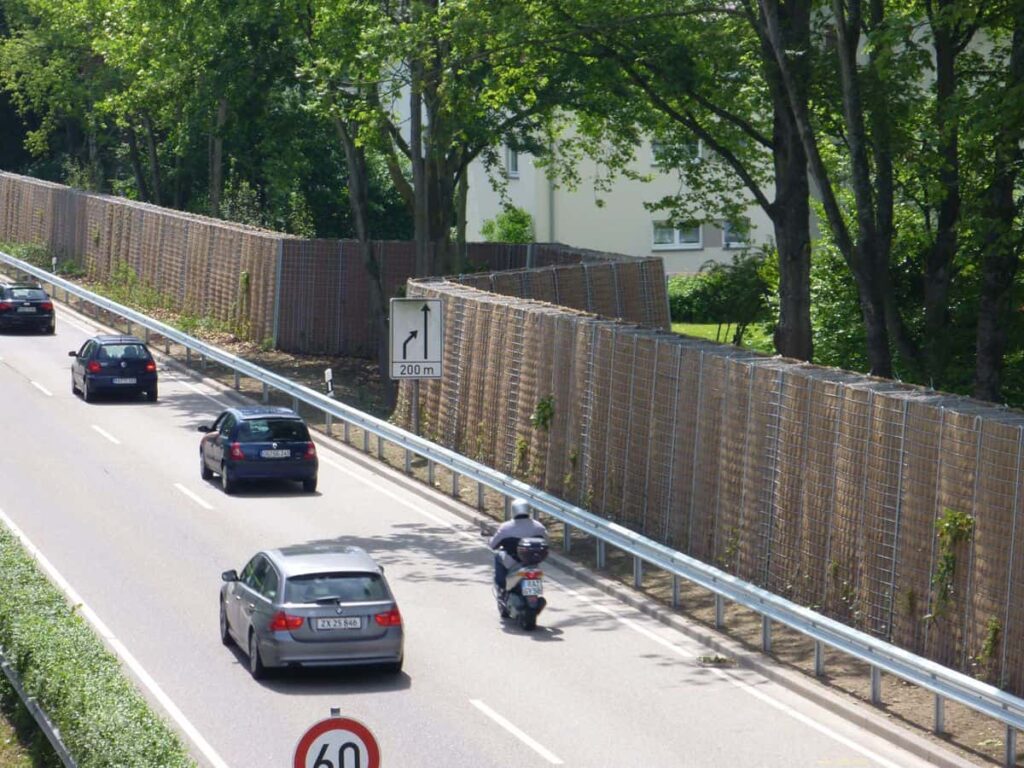
In terms of sound absorption, RAU® noise barrier systems with a determined single value for sound absorption of DLa= 20 dB meet the requirements of group A 4 with the classification “highly absorbent” according to DIN EN 20354. This is the group with the highest sound absorption.
Facts: Sound insulation
| f [Hz] | Ri |
| 100 | 49,7 |
| 125 | 51,6 |
| 160 | 53,8 |
| 200 | 55,7 |
| 250 | 57,6 |
| 315 | 59,6 |
| 400 | 61,7 |
| 500 | 63,7 |
| 630 | 65,7 |
| 800 | 67,7 |
| 1000 | 69,7 |
| 1250 | 71,6 |
| 1600 | 73,8 |
| 2000 | 74,7 |
| 2500 | 75,6 |
| 3150 | 76,3 |
| 4000 | 77,1 |
| 5000 | 77,8 |
Facts: Sound absorption
Table of sound absorption coefficients αSi determined according to DIN EN 20354 for a noise barrier of the RAU® noise barrier system according to test report 97097 /1/
| f [Hz] | αSi |
| 100 | 1,19 |
| 125 | 0,87 |
| 160 | 0,94 |
| 200 | 0,98 |
| 250 | 0,87 |
| 315 | 1,06 |
| 400 | 1,08 |
| 500 | 0,92 |
| 630 | 0,94 |
| 800 | 1,02 |
| 1000 | 1,12 |
| 1250 | 1,10 |
| 1600 | 0,98 |
| 2000 | 1,05 |
| 2500 | 0,89 |
| 3150 | 0,94 |
| 4000 | 1,02 |
| 5000 | 1,07 |